The Fall Mullet Run: Why September Is Prime Time for Inshore Fishing Charters
The fall mullet run pulls snook, redfish, and trout into the shallows near Anna Maria Island — why September is prime time for inshore fishing charters.
The Fall Mullet Run: Why September Is Prime Time for Inshore Fishing Charters
September on Anna Maria Island means one thing on the water: the mullet are moving. Every fall, adult mullet gather into big schools and push out of the backwaters toward open water to spawn, and that migration is exactly why September and October are some of the best weeks of the year to book inshore fishing charters here.
Why the Mullet Run Changes the Bite
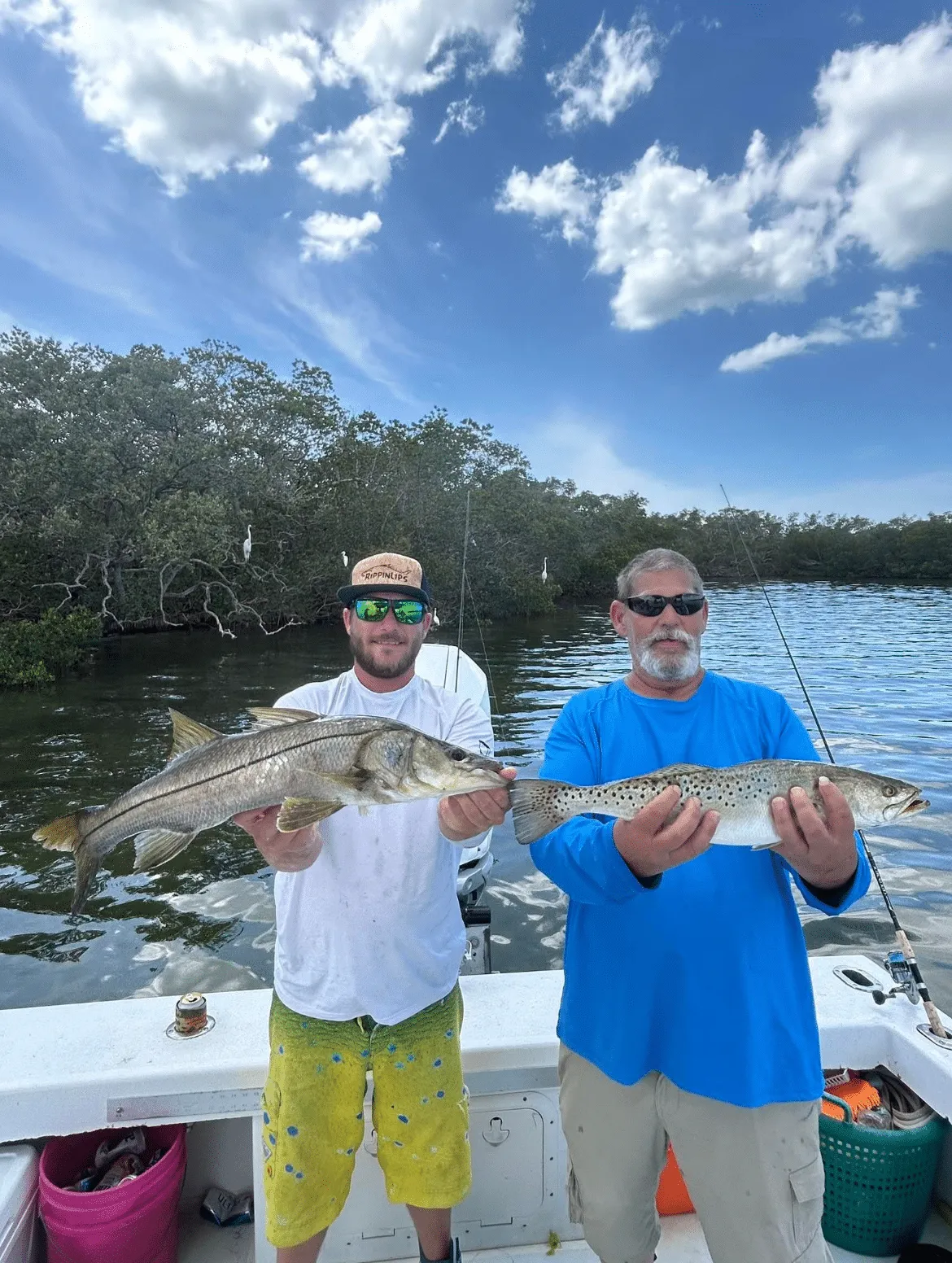
The mullet run isn’t a secret to anything else in the water. When that much bait funnels through the same skinny water we fish every week — the Sarasota Bay flats, the Tampa Bay grass beds, the passes around Egmont Key — everything that eats mullet shows up to take advantage. Snook push out of the mangroves to work the edges of the schools, redfish and spotted seatrout crowd into the same channels the bait is using, and a slow morning can turn into a fast one the moment a pod of mullet gets nervous. It’s the same pattern that keeps showing up in our fall trip reports every year: find the bait, and the gamefish aren’t far behind it.
Snook Season Reopens the Same Week
Timing lines up well this year. Gulf coast recreational harvest season reopens September 1 in the Tampa Bay and Sarasota Bay management regions, so a fish that’s been catch-and-release water all summer is legal to keep again right as the mullet run gets going. Between the bait moving and the season opening on the same week, September is one of the more productive stretches we fish all year for snook specifically — though as always, check current regulations before you keep anything, since slot limits and bag limits can change.
Where We’re Fishing It
Our inshore trips run out of Sarasota Bay, Tampa Bay, the Gulf Beach, Egmont Key, and the Manatee River, and in September that means working wherever the mullet schools are stacking up rather than hunting bait ourselves — the fish do half the scouting for us. The state’s own mullet regulations even shift on September 1, when the vessel limit drops from 100 fish to 50 — one more sign of how much bait is moving through this time of year.
We run 4, 6, and 8-hour inshore trips, and every one includes bait, tackle, your fishing license, and bottled water, so there’s nothing to line up beforehand. Your captain will bag and filet any legal fish you keep, and if you’d rather not cook at home, bring your catch to the Waterfront Restaurant for a “Cook Your Catch” meal to close out the day.
What to Expect on the Water
Don’t expect a quiet, technical bite during a mullet run — expect commotion. Bait gets nervous and scatters, gulls start working overhead, and a school of redfish or a single big snook can blow up on the surface without warning. It’s a fun trip for anglers who want to see the fish feed as much as catch one, and it’s forgiving for less experienced anglers too, since the fish are actively hunting rather than picking apart a bait presentation. Bring a rod that can handle a hard first run — a mullet-fed snook or redfish doesn’t ease into the fight.
Book Your Fall Inshore Trip
The mullet run doesn’t last all fall, and the best weeks are the ones happening right now. Call us at 941-713-4161 or check our inshore fishing charters page for trip lengths and availability, and we’ll get you out chasing the bait while it’s still moving through.